Every week we get Down & Dirty, in which Nozlee Samadzadeh breaks down our favorite seasonal fruits, vegetables, and more by the numbers.
Rhubarb, with its red-green stalks and tart taste, is one of spring's first harbingers. Whether you like it in scones, shortbread, a fizzy drink, or compote, here's everything you need to know about buying, storing, and cooking with rhubarb.
Are there any rhubarb facts we've missed? Have you ever grown it in your garden? Let us know!
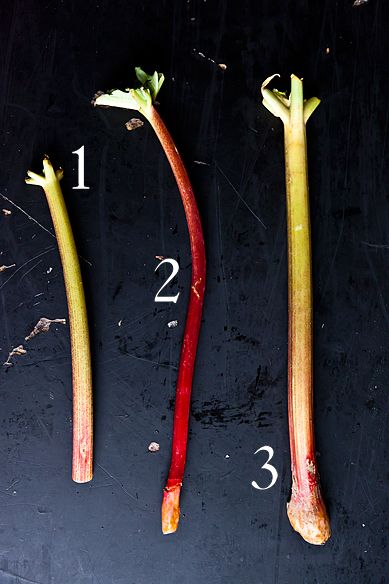
1. The Stalks: At the farmer's market, look for firm, unblemished stems of rhubarb with no nicks or cuts along the stem.
2. 50 Shades of Rhubarb: Depending on the variety, rhubarb can vary from deep red to pale green -- or with streaks of both running up and down the stem. According to the USDA, red rhubarb stalks are "sweeter and richer" -- they'll also lend a prettier color to your baked goods (like the blushingly pink curd in this shortbread).
3. Root of the Matter: Look for rhubarb with the root still attached. Not only will it last longer than trimmed rhubarb, it also indicates that the stalk was truly mature when it was harvested -- ready-to-harvest rhubarb can be pulled from the plant with a gentle tug. Store your rhubarb loosely wrapped in the coldest part of your refrigerator. It will last about a week.
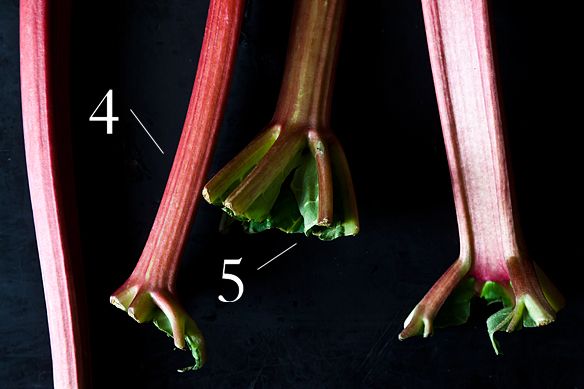
4. String Theory: According to the University of Illinois Extension, older rhubarb can be stringy. Remove the tough outer strings by gently peeling them away with a paring knife starting at the root.
5. You Know That You're Toxic: You will rarely see rhubarb stalks with leaves at the market: they're poisonous! The oxalates in the leaves are harmful whether raw or cooked -- trim them away before cooking the stalks.
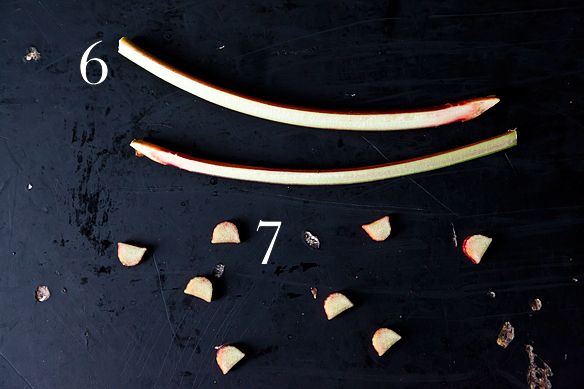
6. X-Ray Vision: Let's look inside: the inner fibers of the rhubarb plant should be pale green and firm -- rhubarb that is too old, or that has frozen in the field, will be mushy.
7. Half Moons: The best way to cut rhubarb for cooking is into coins -- the red outer edge will give color to the tart insides as they break down. The University of Maine Extension reminds us that you should cook rhubarb in non-reactive cookware (ie, not alumninum) due to the acids in the stalk.
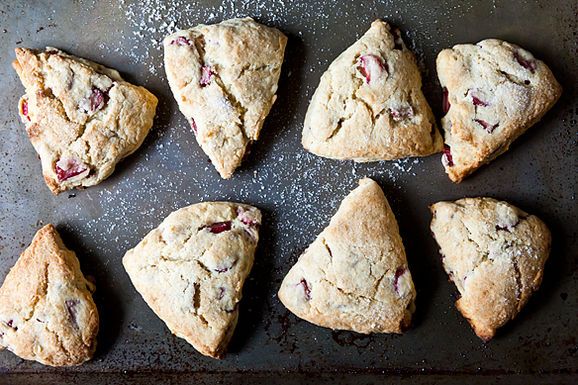
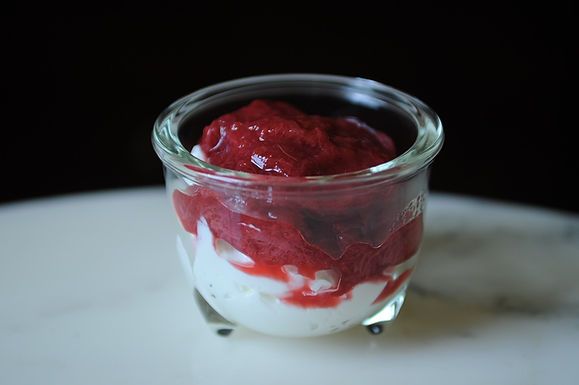
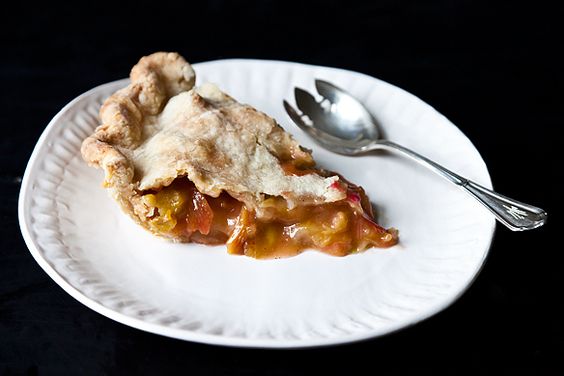
Looking for some rhubarb recipes to get started? Here are three of our favorites:

Written by: Nozlee Samadzadeh
Popular on Food52
9 Comments









See what other Food52 readers are saying.