Inspired by conversations on the FOOD52 Hotline, we're sharing tips and tricks that make navigating all of our kitchens easier and more fun.
Today, we're making gravlax to show you the basics of curing fish.
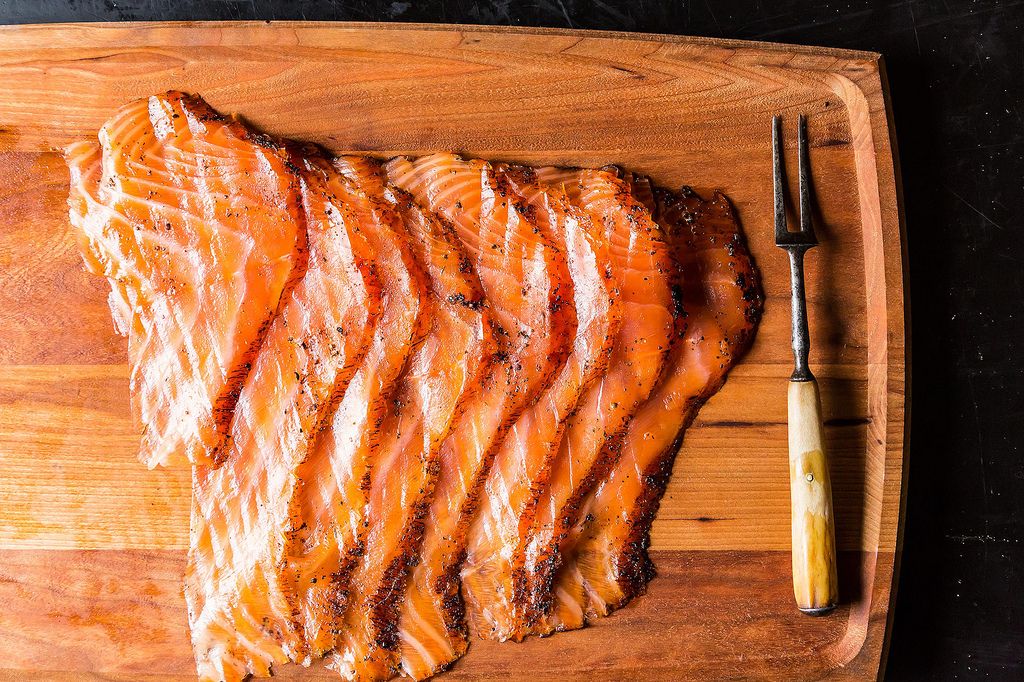
Despite our familairity with cured fish, it maintains an air of mystique. Lox, anchovies, pickled herring, bottarga and salt cod are all products of the curing process -- cooking without direct heat, that is -- that preserves fish for longer than it would last fresh. These foods incorporate different (and old!) methods, but all are transformed in texture, flavor, and shelf-life by salt.
Lox is salt-cured or brined, and smoked. Anchovies are packed in salt and pressed for months. Pickled herring is cured in salt, rinsed, and pickled in a vinegar brine. Bottarga is fish roe that has been cured in salt. Salt cod has been salted and dried.
The world (or ocean) of cured fish is large, but today, we're focusing on the easiest method: gravlax. You coat a fish filet in seasoning, wrap, and refrigerate for a few days. And, as you'll see, the salt does all the work for you.
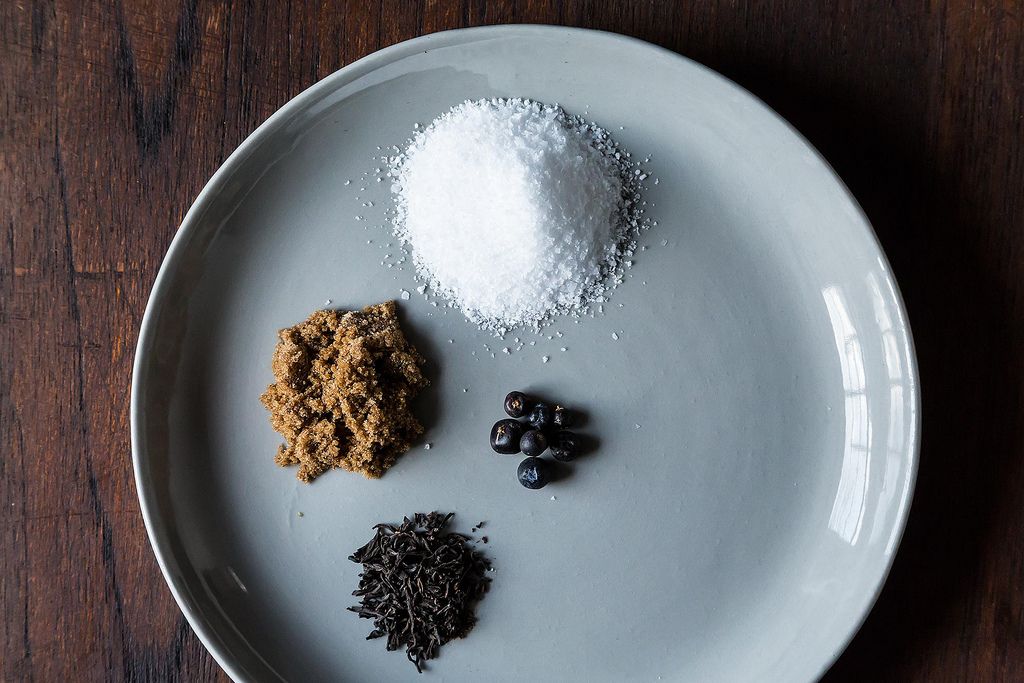
Most traditional recipes for gravlax use a lot of chopped, fresh dill and a little sugar. The dill lends a heady, herbal note, and the sugar rounds out the flavor. Here, we're using a juniper berry and earl grey curing mix. Be sure to use a casserole style dish (one with higher edges), as the fish tends to release liquid in the process.
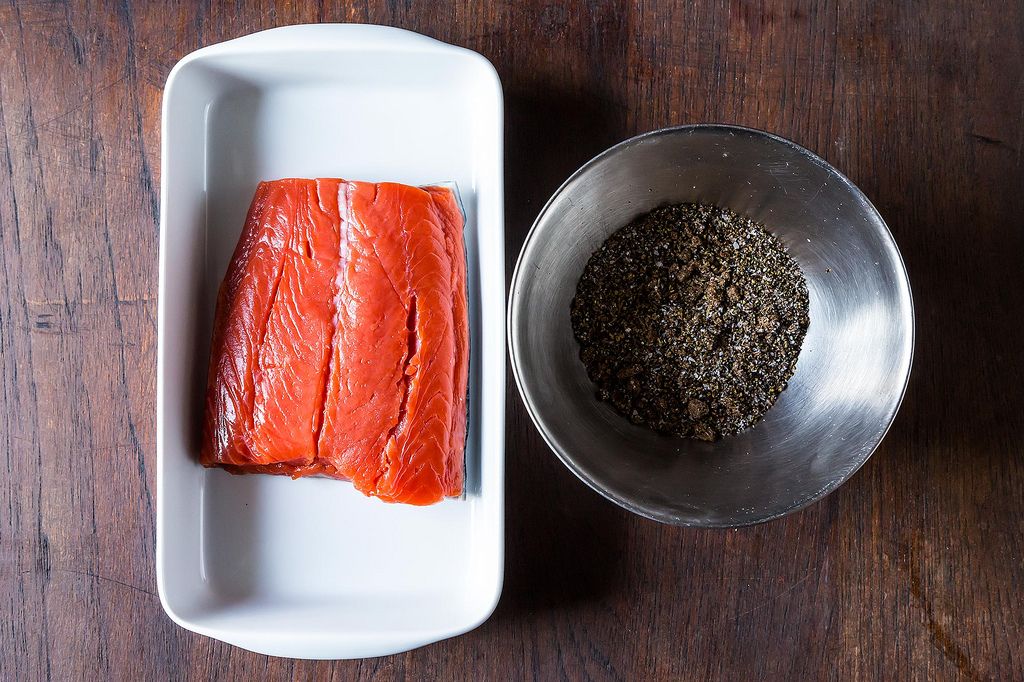
Lightly coat the fish on all sides with the curing mixture. You can remove the skin before you coat the fish in seasoning or after it's done curing. Either way, just remember to trim it off before you serve it.
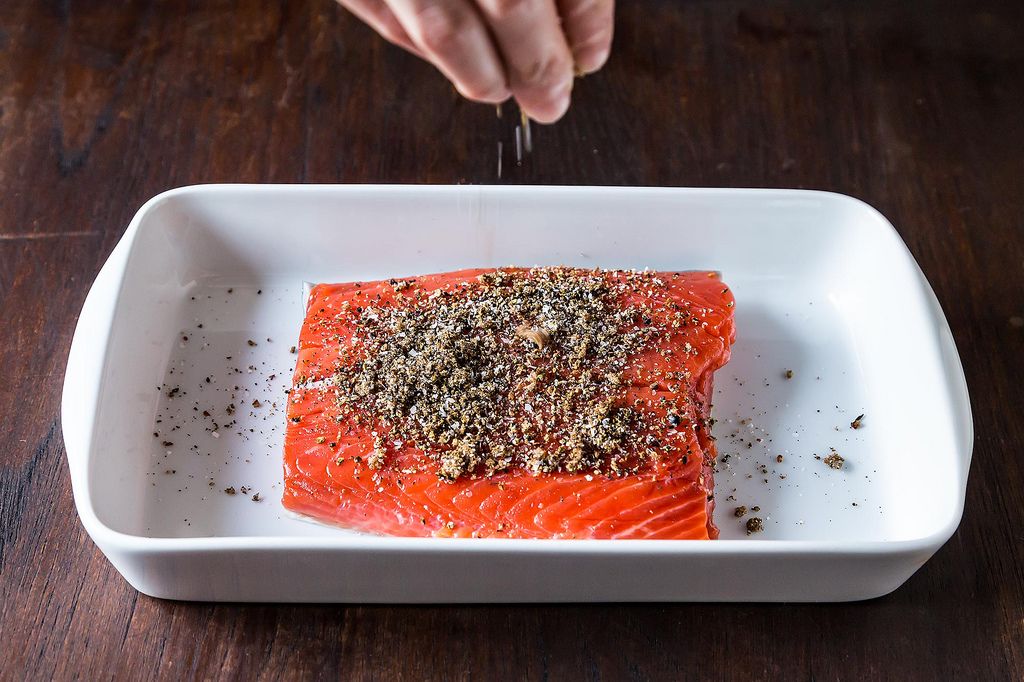
Once the fish is covered in the seasoning, wrap it in plastic wrap and refrigerate for 2 to 4 days, turning the fish over once a day. Putting a weight on the fish is optional. It has the effect of pressing the seasoning into the fish, pushing fluid out, and compressing the fish, yielding a slightly denser texture. You can do this by putting a plate upside-down on top of the wrapped fish and placing something heavy on top, like a few big tomato cans (or a few cans of beer).
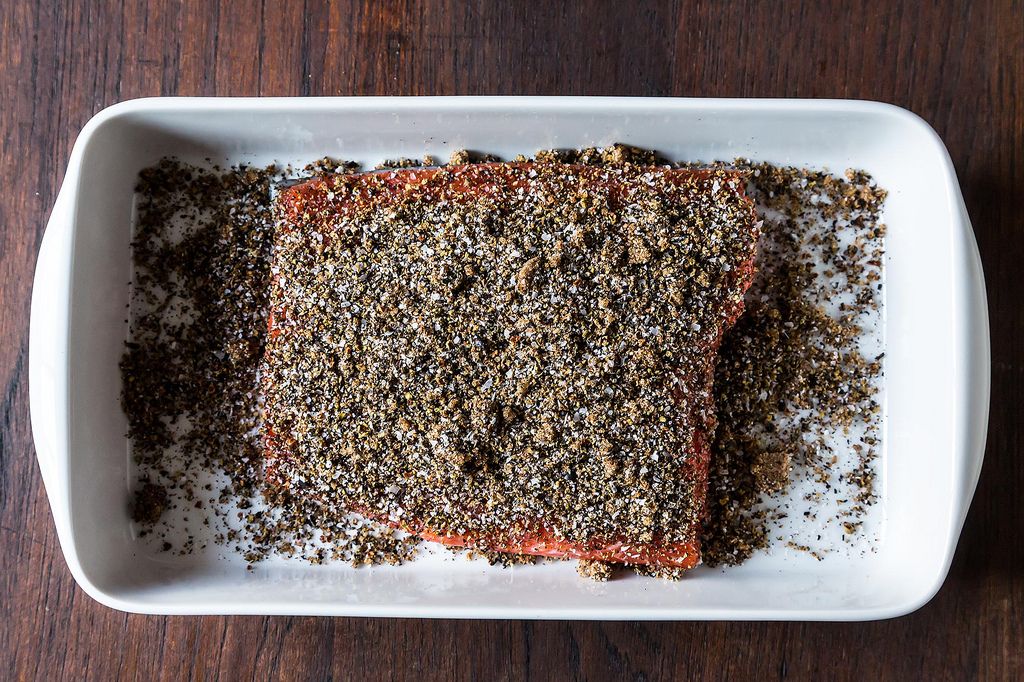
As you turn the fish, take note of how it feels. When it's done, the center of the filet should feel firm. Then, unwrap the fish, lightly rinse or scrape off the seasoning, and enjoy. Because of its strong flavor and beautiful texture, gravlax is best enjoyed sliced thin. Store it in your refrigerator for a few days after it's done or freeze it for later.
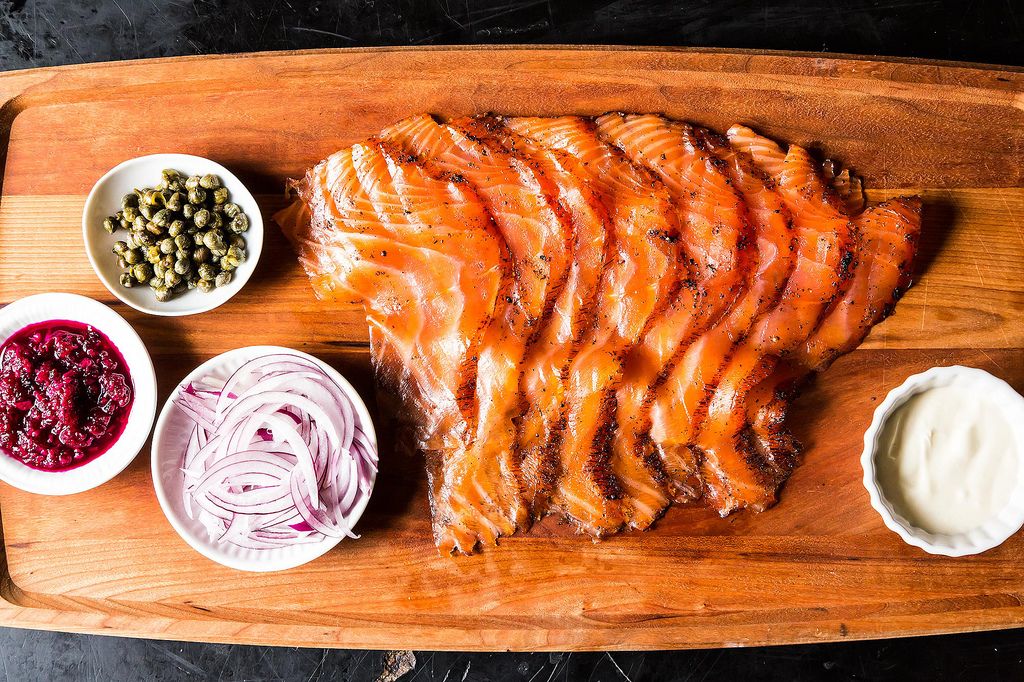
There you have it! Gravlax, demystified. Just season, wrap and refrigerate, and you'll be chowing down in no time.

Written by: Alex Lampert
Popular on Food52
11 Comments





Question: how well does the gravlax freeze? I've never frozen my gravlax and am worried about the texture after thawing.

See what other Food52 readers are saying.