Inspired by conversations on the FOOD52 Hotline, we're sharing tips and tricks that make navigating all of our kitchens easier and more fun. Today, we're talking about cornmeal and its friends.
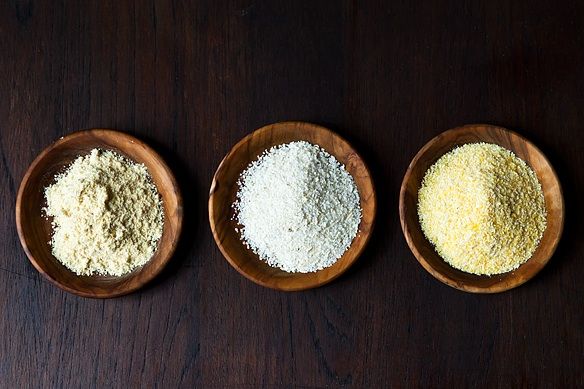
Don’t you hate that feeling that the world is out to get you, to confuse you, to trick you?
Yeah, us too.
When it comes to polenta, grits, and cornmeal, this feeling is warranted: there are no rules about the marketing and labeling of these products. No standardization. No regulations. The same bag of ground corn can have all three words on it, tricking consumers into thinking they’re the same thing.
Throw masa into the mix, and it's pure mayhem.
We’re here to boil it down for you, explaining the best types of each product, and what their names really mean. No more consumer panic allowed.
First things first:
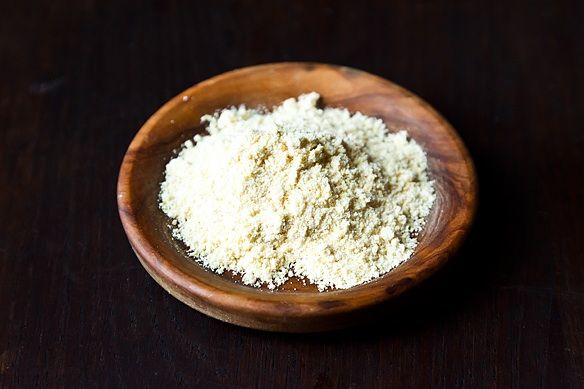
Polenta and grits both fall under the heading of cornmeal, which is simply a coarse flour (a “meal”) ground from maize (field corn).
Leave anything labeled “instant” or “quick-cooking” on the shelf; this means it’s been par-cooked. It will be lacking in that corn-flavor you’re looking for.
Look for the words “stone-ground” when shopping for any kind of cornmeal. Unlike commercially-produced cornmeal, stone-ground cornmeal still has the hull and the oil-rich germ of the kernel attached. “Degerminated” cornmeal means that the hull and germ have been removed.
Grits
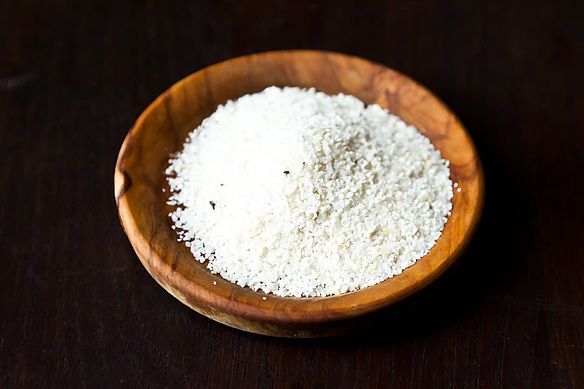
The grind: Grits are typically coarse-ground cornmeal.
White or yellow? According to Anson Mills, white corn was historically popular in the urban port cities of the south, while yellow corn was predominantly used in the inland, rural areas. Today, white corns generally carry more mineral and floral nuances than yellow corns.
Uses: Try the Southern classic Shrimp and Grits, or mix grits with goat cheese for these Creamy Goat Cheese Grits.
Polenta
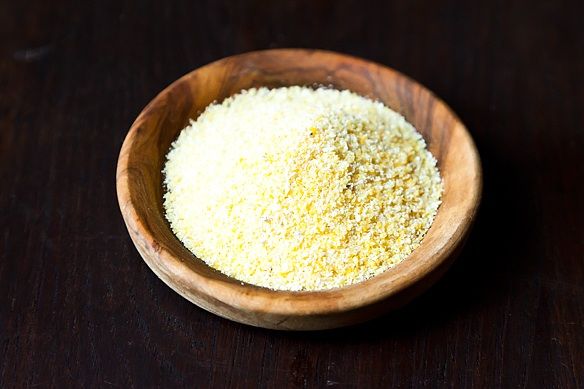
What’s in a name: In the United States, “polenta,” like “rice” and “beans,” can refer to both the ingredient and the finished product.
The grind: While some cornmeal products may specifically be labeled “polenta,” there’s no need to limit your search; medium and coarse-ground cornmeal are best for making polenta, whether it says “polenta” on the bag or not.
Uses: So many possibilities! Eat it for breakfast with blueberries and almonds; put it under a Short Rib Ragu; form into griddle cakes; top with fried eggs and escarole.
Masa
The process: To make masa (or hominy), field corn is dried and treated with a solution of calcium hydroxide (or “slaked lime,” or wood ash) -- a process called "nixtamalization." When fresh masa is dried and ground, it becomes masa harina. This process of treating ground corn with an alkaline solution loosens the hulls from the kernels, allowing the nutrients to be absorbed into the body easier than with regular cornmeal.
Uses: Unlike untreated cornmeal, masa simply mixed with water can form a dough. This dough can be used to make corn tortillas and tamales.
How do you use your cornmeal products, and do you see a difference? Let us know in the comments!

Written by: Brette Warshaw
Popular on Food52
42 Comments





For example, I have some cheese-laden crab and spinach dip leftover. I'll either stir that into a pot of cornmeal for a really rich bowl of "grits," or make myself an au gratin dish of polenta topped with it -- that and a salad will make me a great lunch. At our house, though, the number one favorite polenta is pepperoni pizza -- about two inches deep of cheese polenta topped with tomato sauce, grated Mozz, pepperoni and olives, then baked until the cheese melts and it's all bubbly and delicious.
For example, I have some cheese-laden crab and spinach dip leftover. I'll either stir that into a pot of cornmeal for a really rich bowl of "grits," or make myself an au gratin dish of polenta topped with it -- that and a salad will make me a great lunch. At our house, though, the number one favorite polenta is pepperoni pizza -- about two inches deep of cheese polenta topped with tomato sauce, grated Mozz, pepperoni and olives, then baked until the cheese melts and it's all bubbly and delicious.



'Cornmeal' as such, isn't on the shelves in Australia. I made some cornbread recently, and used 1/3 wheat flour, and 2/3 polenta with some added baking powder, sour cream, tasty cheese, and chopped jalapeños! Tasted great (even if not authentic) served with fried chicken and coleslaw!


See what other Food52 readers are saying.